
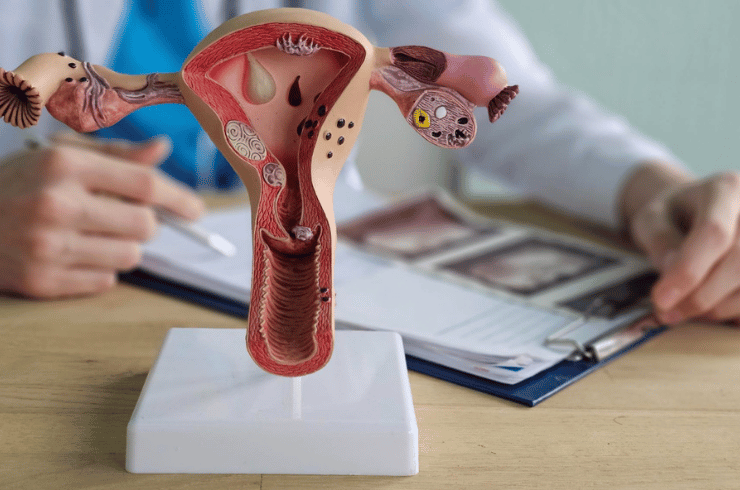
Uterine fibroids are non-cancerous growths that develop in or around the uterus. They are relatively common, particularly during the reproductive years. Fibroids may differ in number, size and location, and their effects can vary considerably between women.
Some women with fibroids experience no noticeable symptoms. Others may develop heavy menstrual bleeding, pelvic pressure, abdominal discomfort or reproductive health concerns.
At Indraneil Hospital, Auraiya, women experiencing symptoms associated with uterine fibroids can receive appropriate gynecological evaluation and guidance.
A doctor may recommend clinical evaluation and appropriate investigations to determine the size, number and location of fibroids.
Not every fibroid requires immediate treatment. In patients without significant symptoms, periodic medical monitoring may sometimes be appropriate. When symptoms are affecting health or quality of life, treatment options may be considered based on individual clinical findings.
Women experiencing persistent heavy bleeding should seek medical advice, as prolonged blood loss may contribute to anaemia and associated symptoms such as weakness or fatigue.
At Indraneil Hospital, the focus is on providing uterine fibroid care in Auraiya through careful assessment and personalised medical guidance.
If you experience unusually heavy periods, persistent pelvic pressure or changes in your menstrual pattern, a gynecological consultation can help determine whether fibroids or another condition may be responsible.